Blog
Menopause & the Gut: Why Your Microbiome Might Be Making Your Symptoms Worse
The Gut–Hormone Connection: The Missing Piece of the Menopause Puzzle
Hot flushes, brain fog, and unexpected weight shifts—many women assume these are solely down to their ovaries. But what if the real driver isn’t just your hormones… but your gut?
Emerging research highlights a profound link between the experience of menopause and the state of your microbiome. Understanding this connection is the first step toward using targeted nutrition as a genuine tool for transformation.
The Gut–Hormone Axis: Where Digestion Meets Your Endocrine System
Your gut is far more than a digestion machine; it is a complex communication hub housing trillions of bacteria that interact directly with your brain and endocrine system.
A specific collection of bacteria, known as the estrobolome, is tasked with metabolising and regulating oestrogen. When this internal ecosystem is out of balance, the system can falter, leading to:
- Inefficient oestrogen clearance or recycling.
- Increased systemic inflammation.
- Digestive discomfort, bloating, and reduced nutrient absorption.
- Additional load on the liver, which is responsible for processing excess hormones.
A 2021 study in Frontiers in Endocrinology confirmed that gut dysbiosis (imbalance) can exacerbate the transition into menopause, impacting metabolic health and long-term physical resilience.
Inflammation: The Hidden Amplifier
When the gut environment is compromised, the body stays on high alert. When you layer hormonal fluctuations and lifestyle stress on top of that existing inflammation, common experiences like joint discomfort, fatigue, and “brain fog” can feel significantly amplified.
Signs Your Gut Health and Hormones are Out of Sync
- Persistent bloating after meals.
- Changes in digestive regularity.
- Heightened sugar cravings.
- Disrupted sleep patterns.
- Increased irritability or “fuzzy” thinking.
Foundational Steps for Restoration
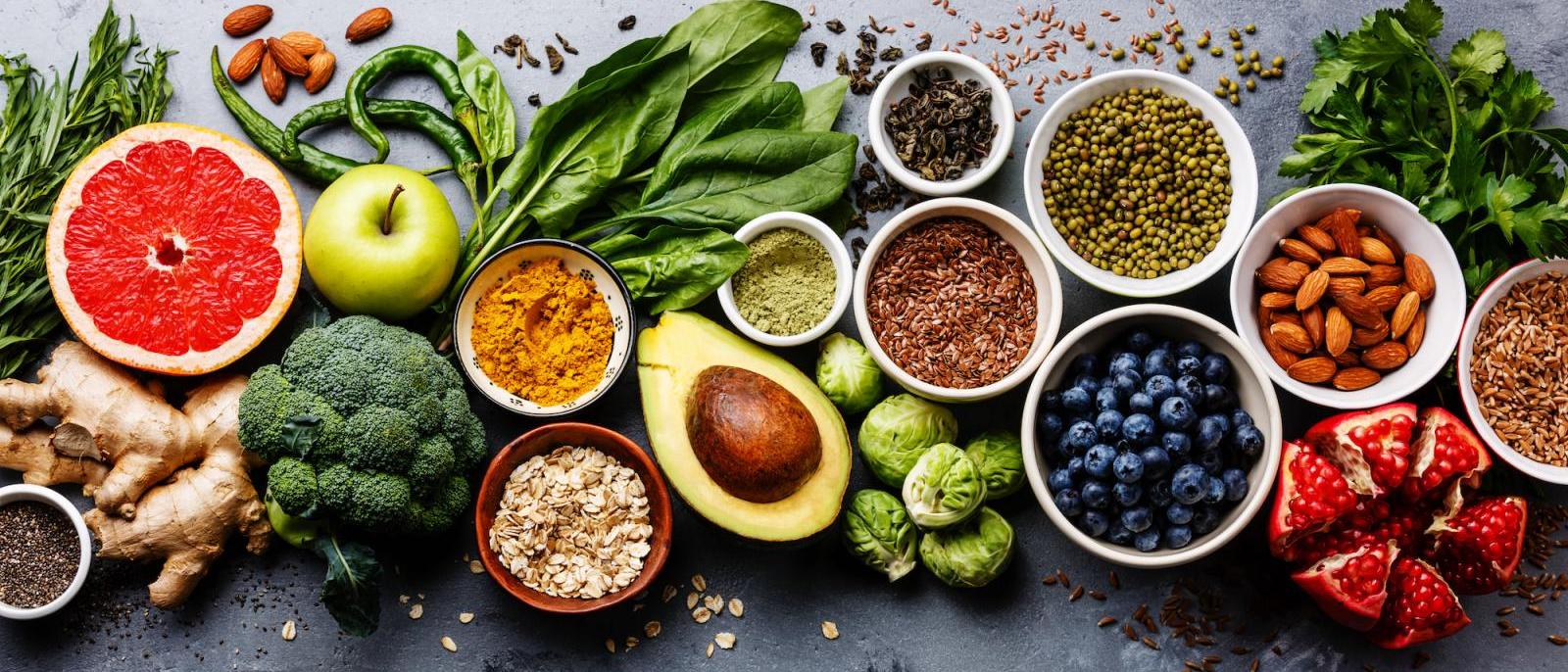
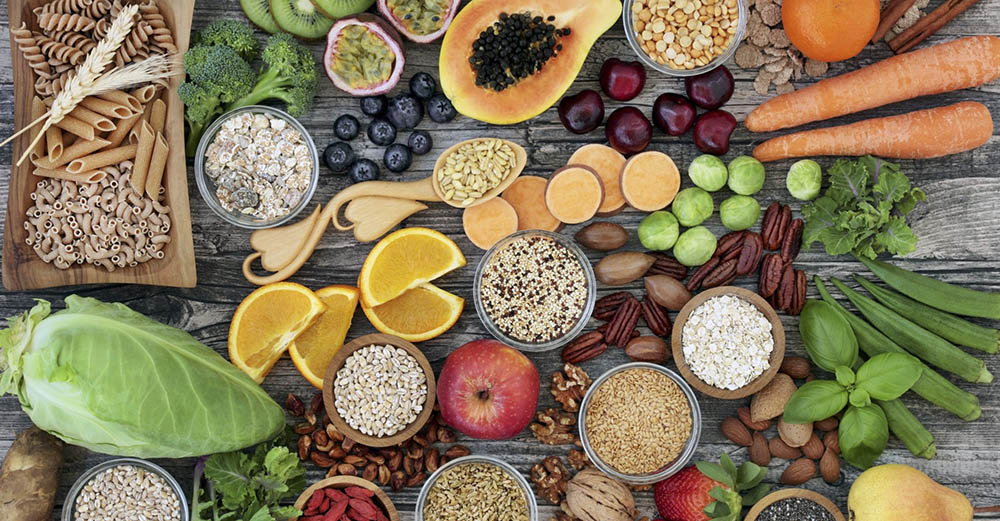
- Prioritise Diverse Fibre: Fibre is the primary fuel for your beneficial microbes. Aim for 30+ different plant foods per week (including seeds, legumes, and various coloured vegetables).
- Reduce Pro-Inflammatory Triggers: Minimising refined sugars and alcohol helps stabilise the microbiome and reduces the “load” on your liver.
- Incorporate Fermented Foods: Small amounts of sauerkraut, kimchi, or coconut yoghurt provide natural probiotics to support microbial diversity.
- Support Your Liver: Chlorophyll-rich greens and cruciferous vegetables provide the nutrients your liver needs to clear hormones effectively.
- Digestive Rest: An overnight fasting window of 12–14 hours allows the digestive system time to focus on cellular clean-up and restoration.
Targeted Support for the Journey
Even with a nutrient-dense diet, your system may benefit from concentrated support:
- Daily Detox Blend: Formulated to support the liver and gut for more efficient hormonal metabolism.
- Anti-Inflammatory Blend: Designed to soothe the underlying systemic inflammation that can disrupt the gut–brain connection.
Final Thoughts
Your gut may not be the first place you look during menopause, but it is often the most impactful place to begin. When you nourish your foundations, everything else begins to shift: your energy, your mood, and your metabolic resilience.
You don’t have to simply “get through” this chapter. With the right nutritional tools, you can move through it with confidence.
This article is for educational purposes only and does not constitute medical advice. Always consult with your healthcare professional before starting any new nutritional protocol.