Blog
Navigating Nutrition: Is Fish Still a Healthy Choice?
As you know by now, the Flourish philosophy focuses on the incredible power of plants. Because of this, we get asked continually: “Why shouldn’t we eat fish? Surely it’s okay?”
Fair warning before you continue reading: once you know this information, it is hard to look at your dinner plate the same way! Let’s get into the modern realities of consuming seafood.
Problem #1: The Reality of Fish Farming
Many moons ago, the fish we consumed were caught in our clean, wild oceans. Today, a vast amount of the fish presented to us in supermarkets is farmed.
Wild, ocean-caught oily fish are famous for being a rich source of anti-inflammatory Omega-3 fatty acids. However, farmed fish are predominantly fed a diet based around grain pellets. This shift in diet means the fish develop a higher ratio of Omega-6 fatty acids. While we need both, a diet too high in Omega-6 can promote the body’s natural inflammatory response, which is the exact opposite of what we want to achieve!
Problem #2: Environmental Pollutants in Our Oceans
Even when you seek out wild-caught fish, our modern oceans are facing massive environmental challenges. When plastic waste finds its way into our waterways, it slowly breaks down into microscopic particles.
Research has shown that microplastics and nanoplastics are now frequently found within the muscular structure of ocean-caught fish. When we consume the fish, we inadvertently ingest these particles. Emerging science suggests that microplastics may act as endocrine disruptors, which can place extra stress on our thyroid, metabolic rate, and natural hormonal balance.
Problem #3: The Gut Microbiome and TMAO
Our gut microbiome consists of different families of microbes—some thrive on plants, and others thrive on animal products. The microbes we know best support our long-term vitality are the plant-loving ones.
When we consume animal proteins like fish, it can promote an increase in the types of microbes that produce a compound called TMA (trimethylamine). This is transported to the liver and converted into TMAO (trimethylamine N-oxide). High levels of TMAO have been heavily studied by cardiologists and are linked to promoting cholesterol buildup in the arteries.
Problem #4: It is Still Animal Protein
To put it succinctly, fish is still animal meat. While the nutritional profile looks slightly different from red meat, it is still a dense animal protein that requires significant digestive effort from your body. Compare this to eating vibrant vegetables, which are phytonutrient-rich and naturally gentle on your digestive tract.
So, What is the Verdict?
What if you don’t want to be 100% plant-based? Which animal product is the best to choose on occasion?
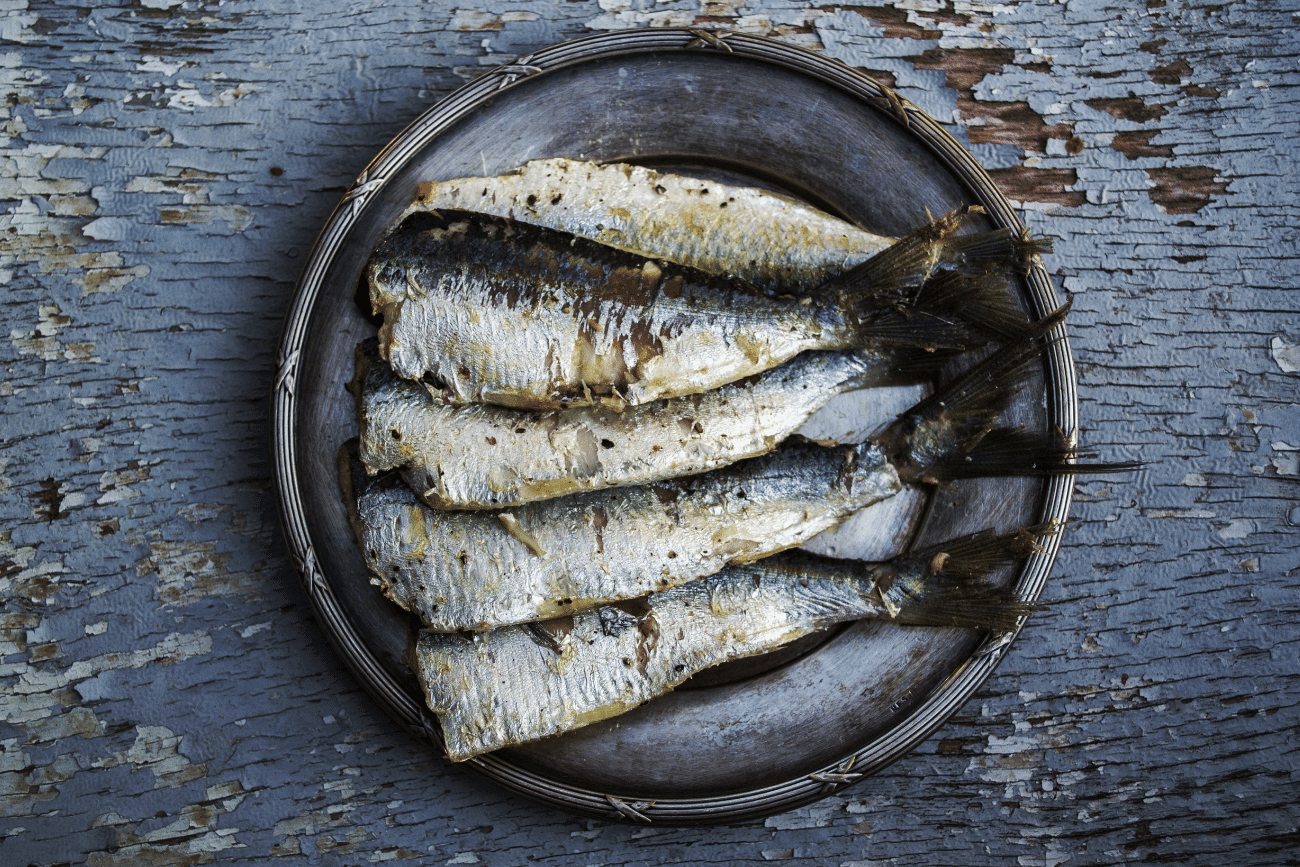
Despite the challenges listed above, our answer is still… Fish! If you choose to incorporate animal protein into your lifestyle, high-quality, wild-caught fish remains one of the cleaner options available. We simply recommend treating it as a rare delicacy. Enjoy small amounts of wild, ocean-caught oily fish (like sardines or mackerel) just one to two times per month to give your body the best of both worlds!
This article is for educational purposes only and does not constitute medical advice. Always read the label and follow the directions for use. Consult with your healthcare professional before starting any new nutritional protocol.