Blog
Understanding Endometriosis and Supporting Your Body Naturally
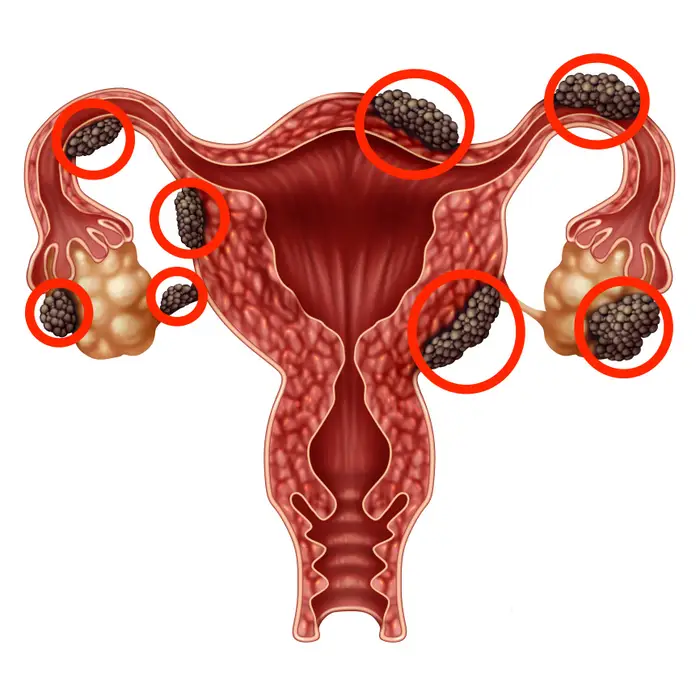
Endometriosis is a complex, chronic condition that affects approximately 10% of women and individuals of reproductive age worldwide. It occurs when tissue similar to the lining of the uterus (the endometrium) grows outside the uterus—most commonly on the ovaries, fallopian tubes, and the tissue lining the pelvis.
While the exact cause of endometriosis remains unknown to modern science, up-to-date research suggests it may involve immune system function or that these cells may simply be present in the pelvic cavity from birth.
Living with this condition can cause significant physical discomfort, particularly around the menstrual cycle, and can impact overall quality of life. Navigating a diagnosis often involves working closely with a healthcare professional using a combination of pelvic exams, imaging, and sometimes laparoscopic investigations. Conventional management typically focuses on medical pathways, including hormonal therapies and surgical options to remove the tissue.
The Role of Lifestyle and Nutrition
Because the body’s natural inflammatory response plays such a significant role in the progression of this condition, many individuals look to lifestyle and dietary adjustments to support their daily comfort and vitality.
While research into diet and endometriosis is still developing, adopting a nourishing, plant-based lifestyle is a wonderful way to support your body’s natural inflammatory balance and hormonal harmony.
What Does the Research Say About a Low-Fat, Plant-Based Diet?
A low-fat, plant-based diet is a way of eating that focuses on vibrant fruits, vegetables, whole grains, and legumes while keeping added oils and animal fats to a minimum.
When researchers look at this dietary pattern in relation to menstrual health and comfort, a few interesting theories emerge:
- Supporting Inflammatory Balance: A low-fat, plant-based diet is naturally abundant in antioxidants and phytonutrients. These compounds are known to help the body manage oxidative stress and support a calm, balanced inflammatory response.
- Hormonal Harmony: Some research suggests that a high-fibre, low-fat plant-based diet can help the body naturally regulate and clear oestrogen. Because endometriosis is an oestrogen-dependent condition, supporting healthy hormone metabolism is a key goal for many looking to maintain their wellbeing.
- Nutrient Density: Diets rich in leafy greens and seeds naturally provide essential minerals like Magnesium and Zinc, as well as plant-based Omega-3 fatty acids. These are all known to support muscle function and a healthy immune system.
Moving Forward with Gentle Care
While a low-fat, plant-based diet is not a cure for endometriosis, it is a powerful way to nourish your body, support your natural defences, and foster long-term vitality.
By leaning into a diet rich in colourful produce, plant proteins, and hydrating fluids, you are giving your body the best building blocks to find its own unique balance.
This article is for educational purposes only and does not constitute medical advice. Endometriosis is a complex medical condition that requires management by a qualified healthcare professional. Always read the label and follow the directions for use. Consult with your healthcare professional before starting any new nutritional protocol or supplement.

Previous Post