

0
Your cart is currently empty
Shop Here

7 Menopause Myths That Are Keeping You Stuck (and What to Do Instead)

Beyond the Myths: Reclaiming Your Midlife Vitality

For too long, women have been told that struggle is simply a mandatory part of the menopause package. Hot flushes? Just deal with them. Mood swings? It’s just your hormones. Weight shifts? It’s your age.

It is time to cut through the noise. Here are seven common myths that might be sabotaging your midlife health—and what clinical nutrition and a “nourishment-first” approach suggest you do instead.

Myth 1: “It’s just hormones—there’s nothing you can do.”

The Reality: Hormones don’t fluctuate in a vacuum. Your gut health, liver function, adrenal resilience, and sleep patterns all dictate how your body handles these shifts.

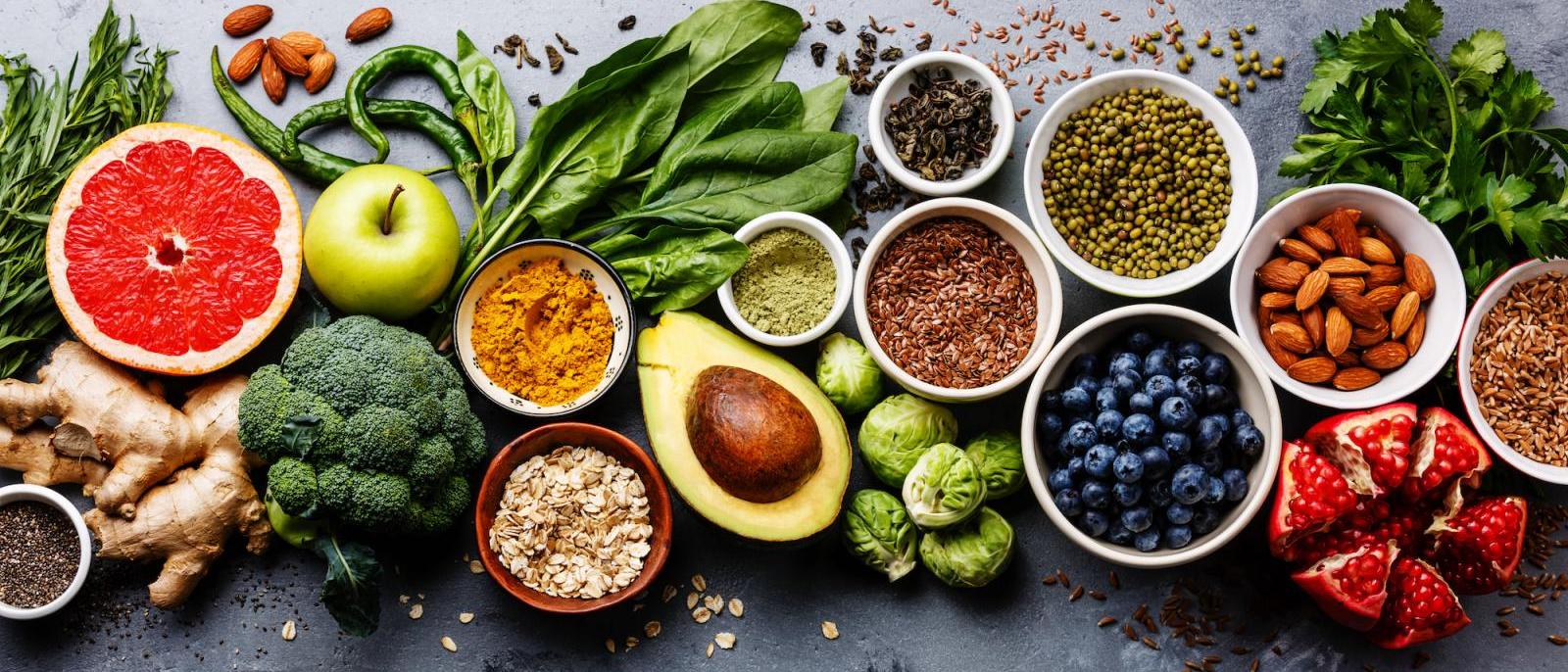
  • The Clinical Shift: Support your “gut–liver axis.” Prioritise cruciferous vegetables (like broccoli and kale) and our Daily Detox Blend to provide the specific nutrients your body needs for efficient hormone metabolism.

Myth 2: “Midlife weight gain is inevitable.”

The Reality: Changes in body composition are often driven by shifts in insulin sensitivity, systemic inflammation, and cortisol levels—not just oestrogen. These are all factors we can influence through how we fuel ourselves.

  • The Clinical Shift: Focus on a low-glycaemic, anti-inflammatory protocol. Bump up your plant-based proteins and Omega-3s to support metabolic steady-state.

Myth 3: “Medical intervention is the only path to feeling better.”

The Reality: While clinical medicine has its place, it is only one part of the story. Targeted nutrition, gut support, and botanical extracts are powerful tools for establishing a foundation of wellness.

  • The Clinical Shift: Explore the synergy of whole-food botanicals like turmeric, ginger, and flaxseed. These provide the “biological building blocks” your body is asking for during this transition.

Myth 4: “Menopause only affects the reproductive system.”

The Reality: This is a whole-body transition. It influences your cognitive function, bone density, cardiovascular health, and metabolic rate.

  • The Clinical Shift: Think big-picture. A plant-based nutritional reset addresses systemic inflammation, which in turn supports brain clarity and consistent energy levels.

Myth 5: “You just need to eat less and exercise more.”

The Reality: Extreme calorie restriction often backfires after 45 by spiking cortisol and slowing the metabolism. Your body is asking for nutrient density, not deprivation.

  • The Clinical Shift: Feed your hormones. Focus on “slow” carbohydrates like lentils and sweet potatoes, paired with healthy fats like chia seeds and avocado.

Myth 6: “It’s too late to make significant changes.”

The Reality: The body is constantly renewing itself. Midlife is actually the perfect window to “reboot” your nutritional foundations.

  • The Clinical Shift: Start simple. Our Gut Healing Protocol offers a straightforward three-day guide to the science of what works for your biology right now.

Myth 7: “Everyone feels terrible—you just have to get through it.”

The Reality: You deserve to thrive in this chapter. Midlife can be a time of incredible strength and groundedness—if you provide your system with the support it requires.


Ready to Create Your Personal Roadmap?

  • 1:1 Clinical Consultation: Let’s look at your unique biochemistry and create a plan that works for your life. Email me at kathy@flourishln.com.au with your preferred times.
  • The Flourish Ritual: Support your daily resilience with our Daily Detox and Anti-Inflammatory Blends.

This article is for educational purposes only and does not constitute medical advice. Always consult with your healthcare professional before starting any new nutritional protocol.



Embracing Winter: A Season of Introspection and Self-Care

The “Flourish-Safe” Winter Reflection

As the world outside transforms into a quiet winter landscape, nature presents us with a gentle opportunity to slow down and turn our focus inward. The shorter days and longer nights create a beautiful setting for a little more introspection. Just like the trees gracefully shedding their leaves, we too can let go of what no longer serves us, creating space for our own sense of renewal.

During this serene season, there is such solace to be found in the quiet moments. Embracing the true beauty of winter goes beyond merely enduring the cold; it beckons us to embrace the stillness and sit a little deeper with our thoughts and intentions.

As we seek warmth indoors, let’s take this time to reconnect with ourselves and our aspirations. Winter’s slower pace grants us a chance to listen to the whispers of the heart and rediscover what truly lights us up. It’s a wonderful time to set intentions, clarify our goals, and cultivate gratitude for the season passed.

Just as nature takes a rest to prepare for the eventual blossoming of spring, we too can nourish our minds and bodies. Engaging in mindful rituals—like a quiet morning, journaling, or simply savouring a warm cup of herbal tea—can provide immense support during this introspective journey. Embracing self-care and self-compassion during this time allows us to feel more balanced and restored, ready for the seasons ahead.

As we relish the company of loved ones and indulge in nourishing meals that warm the soul—like our Creamy Lentil and Vegetable Stew—let us also embrace the stillness. May this time of reflection lead you to a deeper understanding of your own needs and sow the seeds for a vibrant and fulfilling year ahead.

Wishing you a cosy and reflective winter season, where the journey within brings you closer to your most authentic self. Embrace the beauty of this quiet time and prepare to flourish in the wonders that lie ahead.


This article is for educational purposes only and does not constitute medical advice. Always read the label and follow the directions for use. Consult with your healthcare professional before starting any new nutritional protocol.


Immune System Boost: Expert Hints and Tips

Supporting Your Natural Defences

Maintaining a resilient system naturally involves a beautiful combination of mindful rituals and embracing a balanced lifestyle. In this article, we’ll explore some gentle suggestions to support your wellbeing and help you flourish throughout the seasons.

Nourish Your Body with a Balanced Diet

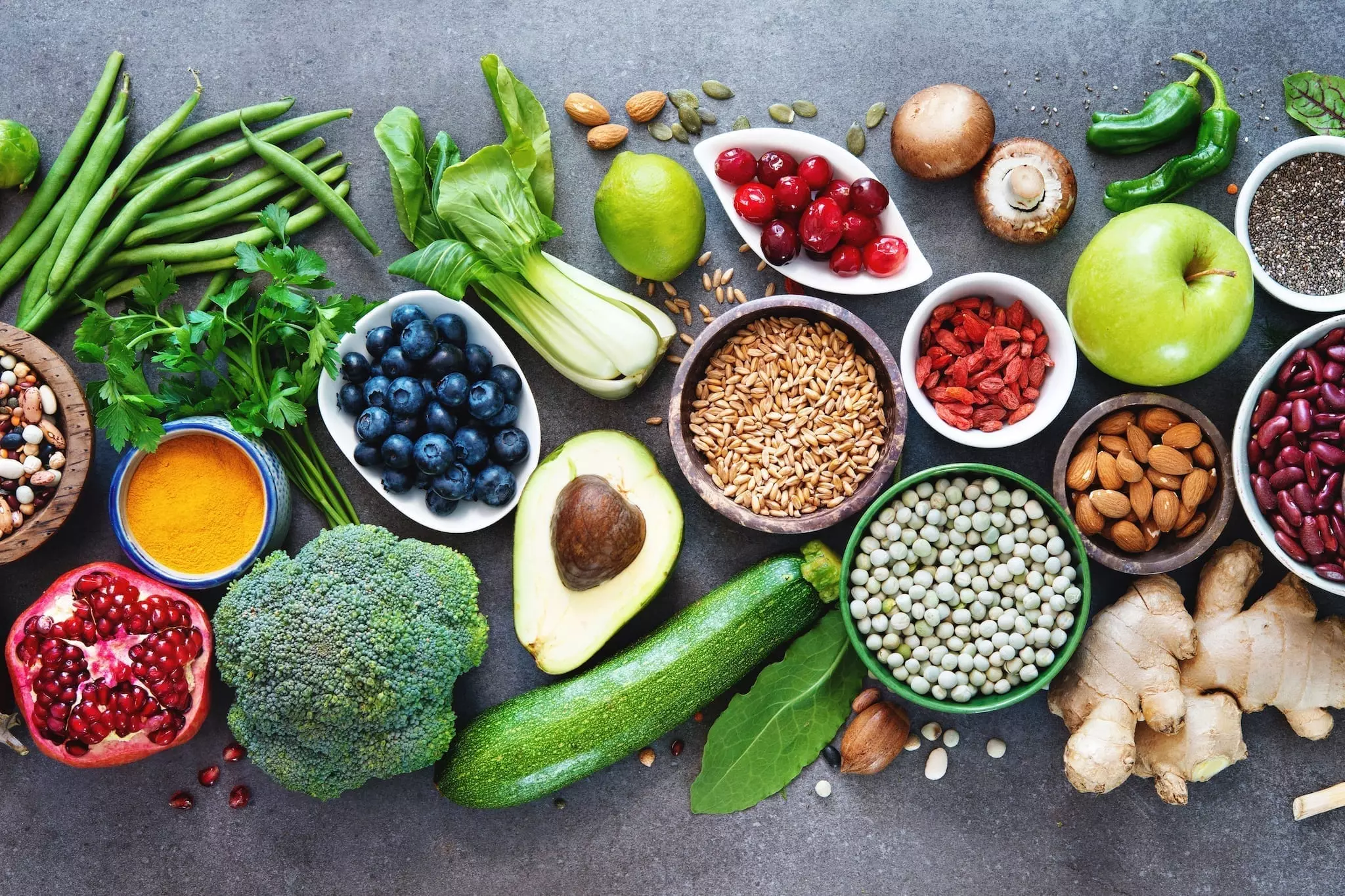
A nutrient-rich diet forms the foundation of a healthy system. Ensure your meals comprise a diverse range of whole, plant-based foods. Prioritise fruits, vegetables, whole grains, legumes, nuts, and seeds, as they provide the vital vitamins, minerals, and antioxidants that support healthy immune function.

Incorporating foods rich in Vitamin C (such as citrus fruits and bell peppers), Vitamin D (found in mushrooms and fortified plant-based milks), Zinc (present in legumes, nuts, and seeds), and Selenium (abundant in Brazil nuts) can further support your nutritional foundation.

Prioritise Restful Sleep

Quality sleep plays a crucial role in our overall health. Aiming for 7–8 hours of uninterrupted sleep each night helps support the body’s natural recovery processes. Establishing a soothing bedtime routine—like limiting screen time or creating a cosy environment—can truly enhance your sleep quality. During the colder months, there is nothing quite like curling up in bed to foster that sense of rest.

Manage Stress Levels

We know that chronic stress can impact our wellbeing. Adopting simple management techniques such as meditation, deep breathing exercises, yoga, or engaging in a hobby you love can make a world of difference. Prioritising self-care and striking a healthy work-life balance helps foster a sense of peace.

Engage in Regular Movement

Regular physical activity is a wonderful way to support the body. Incorporate moderate-intensity movement like brisk walking, jogging, cycling, or dancing into your routine—aiming for about 150 minutes per week. Discover activities you truly enjoy so they become a joyful part of your day.

Stay Hydrated

Adequate hydration supports many of the body’s natural functions. Drinking plenty of water throughout the day helps with circulation and aids in delivering nutrients to where they are needed most. Herbal teas and water infused with fresh fruit are also lovely ways to stay hydrated while offering a little extra comfort.

Practise Good Hygiene

Simple hygiene habits are vital for staying well. Regularly wash your hands with soap and water for at least 20 seconds, and try to avoid touching your face. Covering your mouth and nose with a tissue or your elbow when coughing or sneezing is a small but important act of care for yourself and those around you.

Mindful Choices

To promote optimal wellness, it is helpful to be mindful of alcohol intake and avoid tobacco. These small shifts in our daily habits can significantly support our long-term vitality.

Consider Botanical Support

Incorporating traditional botanical supports can be a lovely addition to your routine. Options such as Echinacea, Elderberry, Astragalus, and medicinal mushrooms like Reishi, Shiitake, and Maitake have long been used to support the body’s natural resilience.

By weaving these healthy habits into your lifestyle, you can support your system and enjoy an improved sense of wellbeing. Embrace the power of these natural rituals to live a vibrant, balanced life.


This article is for educational purposes only and does not constitute medical advice. Always read the label and follow the directions for use. Consult with your healthcare professional before starting any new nutritional protocol.
Nourishing Your System: Essential Plant-Based Nutrients for Winter

As the winter season sets in, it becomes a wonderful time to focus on specific plant-based nutrients that help us maintain our daily vitality and wellbeing. Here are some key plant-based foundations to consider incorporating into your winter rituals:

Vitamin C for Seasonal Support Nourishing your system is a lovely way to feel your best during the cooler months. Opt for citrus fruits like oranges, grapefruits, and lemons, along with kiwi, strawberries, papaya, bell peppers, broccoli, kale, and spinach. These plant-based sources are rich in Vitamin C, which plays a vital role in supporting healthy immune function.

Vitamin D: The Sunshine Vitamin With less sunlight exposure during an Australian winter, it’s important to find alternative plant-based sources of Vitamin D. Fortified plant-based milks such as soy, almond, and oat—along with sunlight-exposed mushrooms—can provide you with the necessary Vitamin D to support your internal balance.

Zinc for Natural Resilience To support your body’s natural defences, incorporate plant-based sources of Zinc. Legumes like lentils, chickpeas, and beans, as well as nuts, seeds (especially pumpkin seeds), whole grains, and tofu, are excellent options to fulfil your nutritional requirements.

Omega-3 Fatty Acids for Balance Maintaining a healthy system involves incorporating plant-based sources of Omega-3 fatty acids, which are known for supporting a balanced inflammatory response. Flaxseeds, chia seeds, hemp seeds, walnuts, and algae-based supplements are great choices to meet your Omega-3 needs.

Fibre for a Happy Gut Adequate fibre intake plays a crucial role in supporting your gut microbiome. Whole grains such as quinoa, brown rice, and oats—along with legumes, fruits, vegetables, nuts, and seeds—are excellent plant-based sources of fibre that help you feel light and nourished.the human digestive system, AI generated

Antioxidants for Systemic Protection To help your body manage oxidative stress, incorporate a variety of brightly coloured fruits and vegetables into your meals. Berries, cherries, pomegranates, spinach, kale, and purple sweet potatoes are rich in antioxidants and make beautiful, vibrant additions to your winter table.

Prebiotics for Gut Harmony Supporting a thriving gut microbiome is essential for your overall wellbeing. Consider incorporating the Flourish Prebiotic Blend into your daily routine to nourish your beneficial gut flora and promote a balanced internal environment.

By focusing on these essential plant-based nutrients, you can maintain a healthy and balanced winter lifestyle while supporting your long-term vitality.


This article is for educational purposes only and does not constitute medical advice. Always read the label and follow the directions for use. Consult with your healthcare professional before starting any new nutritional protocol.


Navigating the Cooler Months: Tips for Seasonal Comfort

Experiencing a period of seasonal congestion or feeling under the weather can be a challenging time. However, there are many gentle steps you can take to support your comfort, nourish your system, and maintain your wellbeing while your body rests. By adopting a mindful lifestyle approach, you can provide your body with the support it needs to find its natural balance again.

Prioritise Rest and Hydration

One of the most important aspects of recovery is giving your body ample time to rest. Prioritise quality sleep and take gentle breaks throughout the day to conserve your energy. It is also essential to stay hydrated by drinking plenty of fluids, such as filtered water, herbal teas, and clear vegetable broths. Staying hydrated is a simple way to keep your system refreshed and supported.

Embrace Warm Fluids and Soothing Foods

Soothe a dry or tickly throat by sipping on warm liquids like herbal teas—chamomile, ginger, and peppermint are lovely choices—or warm water with a squeeze of lemon and a touch of honey. These options provide wonderful comfort. Additionally, focus on nourishing, easy-to-digest plant-based foods. Warm vegetable soups, steamed greens, and whole grains are excellent choices that provide the essential nutrients your body craves when it’s mending.

Support Your Airways

To help manage congestion and maintain comfort, consider using a gentle saline nasal spray or a neti pot to rinse your nasal passages. This traditional practice helps clear the airways naturally. Steam inhalation with a drop of eucalyptus or peppermint oil can also provide temporary aromatic relief and help you breathe more easily.

Consider Botanical Support

Explore traditional botanical remedies known for their supportive properties. Herbal teas or supplements containing Echinacea, Elderberry, Ginger, or Liquorice root are wonderful ways to support your body’s natural resilience and provide comfort during the cooler months.

Simple Saltwater Rituals

To soothe throat discomfort and support oral hygiene, try gargling with warm saltwater. Simply mix half a teaspoon of salt in warm water, gargle for 30 seconds, and spit it out. This age-old ritual is a simple way to foster a sense of relief.

Moisturise Your Environment

Combat the dryness of winter heating by using a humidifier or vaporiser in your room. Adding moisture to the air can help alleviate that dry, congested feeling. Furthermore, using a simple saline nasal mist can keep your nasal passages moist and prevent the discomfort associated with dry winter air.

Engage in Supportive Self-Care

Take care of your overall wellbeing by managing your stress levels, practising deep breathing, and engaging in quiet activities that bring you comfort. It is also helpful to avoid smoke and environmental irritants, as these can add unnecessary stress to your respiratory system.

Seek Professional Guidance

While most seasonal sniffles resolve with rest, it is essential to consult with your healthcare professional if your symptoms persist, worsen, or if you have underlying health concerns. They can provide personalised advice tailored to your specific needs.

By implementing these mindful lifestyle rituals, you can support your body’s natural processes and find your way back to vitality. Remember to listen to your body and prioritise self-care above all else.


This article is for educational purposes only and does not constitute medical advice. Always read the label and follow the directions for use. Consult with your healthcare professional before starting any new nutritional protocol.

The Science of Comfort: How a Plant-Based Lifestyle Supports Your Body’s Natural Response

The mechanisms behind how our dietary choices can support our sense of comfort and wellbeing are fascinating. They largely involve the gentle modulation of three internal pathways: the inflammatory cytokine pathway, the arachidonic pathway, and the way our nervous system perceives sensation.

The Inflammatory Cytokine Pathway

This is one of the primary pathways involved in the body’s natural response to stress or injury. It involves the release of pro-inflammatory cytokines—small signalling molecules produced by the immune system. When molecules like interleukin-1 (IL-1) and tumour necrosis factor-alpha (TNF-α) are active, they can contribute to a sense of physical discomfort by activating immune cells.

Supporting this Pathway with Nutrition Research suggests that certain dietary patterns, particularly those rich in vibrant fruits, vegetables, and whole grains, can help support a balanced inflammatory response. By choosing these plant-based options, we can help maintain healthy levels of these signalling molecules, leading to a greater sense of daily comfort.

The Arachidonic Pathway

This pathway involves the conversion of arachidonic acid—a fatty acid typically found in animal products—into pro-inflammatory eicosanoids, such as prostaglandins. These mediators play a significant role in how the body signals discomfort.the human immune system, AI generated

Modulating the Arachidonic Pathway Adopting a diet low in animal fats and high in plant-based Omega-3 fatty acids (found in flaxseeds, chia, and walnuts) can help support a more balanced internal environment. By focusing on these anti-inflammatory fats, we help the body maintain its natural equilibrium.

The Neuroscience of Perception

Finally, our nervous system plays a vital role in how we perceive physical sensations. This involves the activation of sensing neurons and the release of neurotransmitters like serotonin and dopamine, which help modulate our experience of the world around us.

Supporting Perception with Botanicals Certain plant compounds—like those found in ginger, turmeric, rosemary, and cloves—are wonderful for supporting the nervous system. These botanicals have been used for centuries to foster a sense of ease and support the body’s natural ability to manage daily physical stressors.the human nervous system, AI generated

In Conclusion

The way our lifestyle choices interact with our body is beautifully complex. By leaning into a diet rich in plant-based, anti-inflammatory whole foods and high-quality botanical supports, we can foster a sense of total harmony and long-term vitality.


This article is for educational purposes only and does not constitute medical advice. Always read the label and follow the directions for use. Consult with your healthcare professional before starting any new nutritional protocol.

How a Whole-Food Lifestyle Supports Your Natural Defences

Maintaining a healthy system is vital to our overall wellbeing, especially during the busier seasons of life. Nourishing your body with a balanced, plant-based diet is one of the most effective ways to ensure your system is functioning at its best. In this article, we’ll explore how a whole-food, plant-based lifestyle can support your natural resilience and highlight some nutrient-dense foods to include in your daily rituals.

Fruits and Vegetables

Fruits and vegetables are incredible sources of supportive nutrients such as Vitamin C, Vitamin A, and various antioxidants. These nutrients help maintain healthy immune function and support the body’s natural processes. Some of the most vibrant options to include are citrus fruits, berries, leafy greens, bell peppers, and cruciferous vegetables like broccoli and cauliflower. By consuming a rainbow of produce, you ensure you are getting the essential vitamins and minerals your body needs to thrive.

Nuts and Seeds

Nuts and seeds are a wonderful source of healthy fats, protein, and minerals like Vitamin E and Zinc. They also contain antioxidants that help manage oxidative stress and support a balanced inflammatory response. A handful of almonds, walnuts, chia seeds, or pumpkin seeds as a snack or tossed through a meal is an effortless way to incorporate these vital nutrients into your day.

Legumes

Legumes such as beans, lentils, and chickpeas are powerhouses of plant-based protein and fibre. They also contain Iron and Zinc, which are essential for maintaining your internal equilibrium.

Importantly, legumes contain prebiotics, which nourish the beneficial bacteria in the gut—a key factor in overall wellbeing. Including a variety of legumes in your diet is a simple way to increase your intake of these foundational nutrients.

Herbs and Spices

Herbs and spices do so much more than just add flavour; they are packed with botanical compounds and antioxidants. Some of our favourites for daily support include turmeric, ginger, garlic, and oregano. Adding these to your cooking is a beautiful way to infuse your meals with extra goodness.

Fermented Foods and Gut Harmony

Fermented foods such as sauerkraut, kimchi, and kefir contain beneficial cultures that support gut health. These foods also provide prebiotics to help your internal ecosystem stay in balance. While these are wonderful additions for many, it is always a good idea to introduce them slowly to see how they sit with your unique system. Supporting your gut health is a direct way to support your body’s overall vitality.

Conclusion

A balanced, whole-food, plant-based lifestyle is a beautiful way to support your long-term health. By prioritising a variety of colourful produce, nuts, seeds, and legumes, and limiting processed foods, you provide your body with the tools it needs to flourish. Small, consistent shifts in your daily choices can lead to a more vibrant and resilient you.


This article is for educational purposes only and does not constitute medical advice. Always read the label and follow the directions for use. Consult with your healthcare professional before starting any new nutritional protocol.

Skin Vitality: The Connection Between Diet and Your Complexion

Have you ever wondered if there is a link between your daily meals and the health of your skin? Could the food you are enjoying be contributing to dry, red, or reactive skin?

Absolutely. What we put into our bodies directly reflects on the outside. Shifting toward a balanced, plant-based lifestyle is one of the most beautiful ways to support a clear, glowing complexion.

Understanding Skin Reactivity

“Dermatitis” is simply a general term used to describe a sign of skin irritation or inflammation. There are many variations, such as atopic skin (often called eczema), contact reactivity, and dry, flaky patches.

While symptoms vary, common signs include a red, dry, and itchy surface. For many, environmental triggers like soaps, detergents, low humidity, or stress can cause periodic flare-ups.

Because the skin is our body’s largest organ, it is highly sensitive to both external irritants and internal imbalances.

Mindful Lifestyle Rituals for Calm Skin

If you are looking to support a sensitive skin barrier, these daily habits can make a profound difference:

  • Moisturise Diligently: Applying a clean, gentle moisturiser at least twice a day helps seal in hydration and protects the skin’s outer barrier.
  • Gentle Bathing: Opt for shorter, 10 to 15-minute baths or showers using warm water instead of hot. When drying, gently pat your skin with a towel and apply your moisturiser while the skin is still slightly damp.
  • Track Your Triggers: Food intolerances and environmental factors vary greatly from person to person. Keeping a daily food and symptom diary is a brilliant, low-stress way to uncover your personal triggers.

Nourishing Your Skin from the Inside Out

Because reactive skin is often linked to the body’s natural inflammatory response, leaning into an anti-inflammatory, plant-based lifestyle is highly beneficial.

  • The Power of Omega-3s: Plant-based Omega-3 fatty acids are an integral part of our cell membranes. They help the body manage its natural inflammatory pathways. You can find these in abundance in raw walnuts, flaxseeds, leafy green vegetables, and avocados.
  • The Flourish Philosophy: Moving toward a whole-food, plant-based routine that is naturally free from gluten and dairy can make a significant difference in skin vitality.
  • Whole-Food Support: Rather than a harsh “cleanse,” we love recommending a gentle, 21-day whole-food habit reset. Nourishing your gut microbiome with plant-derived prebiotics and antioxidant-rich foods is the ultimate gateway to supporting clear, resilient skin.

Vitamins and Minerals for Vibrant Skin

If you are looking to support your skin’s natural glow, ensure your diet is rich in these foundational micronutrients:

NutrientRole in Skin VitalityPlant-Based Sources
Vitamin ASupports the natural renewal of skin cells.Sweet potatoes, carrots, dark leafy greens
Vitamin CVital for the natural production of collagen.Citrus fruits, strawberries, bell peppers
Vitamin EA powerful antioxidant that protects cell membranes.Almonds, sunflower seeds, spinach
ZincAssists the body’s natural healing and immune barrier.Pumpkin seeds, lentils, chickpeas

By combining gentle external care with a rich, plant-powered diet, you give your skin the perfect environment to flourish!


This article is for educational purposes only and does not constitute medical advice. Chronic skin conditions like dermatitis or eczema require a proper diagnosis and management plan from a GP or dermatologist. Always read the label and follow the directions for use. Consult with your healthcare professional before starting any new nutritional protocol.

Navigating Deep Exhaustion: Gentle Steps to Restore Your Vitality

Are you feeling completely exhausted lately, no matter how much sleep you get? Do you wake up feeling unrefreshed, even after a full night’s rest? Perhaps you are having trouble thinking clearly, finding it hard to exercise, or feeling like you simply don’t have the energy for the life you wish to lead.

If you have seen professionals but still feel like you are searching for answers, please know that your feelings are valid. Navigating persistent, profound fatigue is incredibly challenging, but there are gentle ways to support your body as you find your path forward.

Understanding the Spectrum of Fatigue

Persistent fatigue is complex and presents itself with a wide range of symptoms that vary greatly from person to person.

For many dealing with deep exhaustion, activities that were once enjoyable can start taking a heavy toll. Gentle exercise, a short walk, or even socialising with family and friends can be followed by a drain on your energy that takes much longer than usual to recover from. This is often accompanied by a sense of “brain fog,” muscle discomfort, or feeling physically drained even after resting.

The Importance of Gentle Energy Pacing

Because managing energy is one of the most important aspects of navigating fatigue, looking at lifestyle shifts as a long, steady marathon rather than a sprint is highly beneficial.

  • The Art of Pacing: Keeping your daily activities strictly within your current energy limits helps you establish a sustainable pattern.
  • Plan and Adapt: Planning social occasions ahead of time and being willing to adapt to how you feel on the day takes a huge amount of emotional pressure off your shoulders.
  • Move Mindfully: If you are incorporating movement, do not increase the difficulty or intensity until you know you have plenty of energy in reserve. Slow and steady is the golden rule!

Nourishing Your Body for Vitality

While navigating deep fatigue requires a holistic approach, leaning into an anti-inflammatory, plant-based lifestyle is a wonderful way to support your natural energy systems:

  • Dark Chocolate in Moderation: There is some lovely news here—studies have shown that chocolates high in cocoa polyphenols may help support the overall feeling of wellbeing in those managing fatigue. Enjoy a dark, high-quality square mindfully!
  • Minimise Known Inflammatory Triggers: Deep fatigue often does not respond well to heavy red meats, refined sugars, and alcohol, which can place an extra digestive load on your body.
  • The Power of Plant-Based Nutrition: Shifting toward a vibrant, whole-food, plant-based routine that is naturally free from gluten and dairy is often the best approach to help calm internal inflammation and support mental clarity.

At Flourish, we love focusing on rich, antioxidant-dense greens and anti-inflammatory whole foods. Giving your body clean, easily digestible fuel is a beautiful way to help lift that heavy feeling and support your natural daily rhythm.


This article is for educational purposes only and does not constitute medical advice. Chronic Fatigue Syndrome (ME/CFS) is a complex condition that requires diagnosis and management by a qualified medical professional. Always read the label and follow the directions for use. Consult with your healthcare professional before starting any new nutritional protocol or supplement.

Calming the System: Gentle Nutrition and Lifestyle Steps for Widespread Comfort

Do you feel like your body is constantly running a marathon? Does it feel as though every muscle is tender to the touch, or are you navigating random sharp or burning sensations that come and go? Perhaps you are feeling fatigued all the time, with a mind that feels like it is covered in cotton wool.

If you have seen professionals but still feel like you are searching for answers, please know that your feelings are valid. Navigating widespread physical discomfort and deep fatigue is incredibly challenging, but there are gentle, natural ways to support your body’s nervous system and find your path back to comfort.

Understanding Sensory Sensitivity

For many people dealing with constant body aches, the issue lies in how the brain and nervous system process pain signals. This can lead to a couple of common experiences:

  • Hyperalgesia: An increased sensitivity to feeling pain.
  • Allodynia: Feeling discomfort from things that are not normally painful, such as a gentle touch or a hug from a loved one.

This heightened sensitivity often goes hand-in-hand with deep fatigue, mental fog, digestive sensitivities, and a strong reaction to certain smells, chemicals, or environments.

Mindful Lifestyle Rituals for Comfort

Because this is a complex experience involving multiple systems, adopting gentle lifestyle habits is one of the most powerful tools at your disposal:

  • Embrace Gentle Movement: While it might feel counterintuitive when you are aching, regular, low-impact activity is one of the most useful ways to support your body. Gentle movement boosts your body’s natural feel-good endorphins and serotonin, which help calm the mind and soothe physical discomfort.
  • Prioritise Sleep Hygiene: Quality rest is absolutely essential. To support a healthy sleep rhythm, try to wake up and go to bed at the exact same time each day. Keep the lights low after dinner, turn off screens an hour before bed, and keep your bedroom cool and dark.
  • Manage Stress: Since stress directly impacts how our brain interprets discomfort, finding daily practices like deep breathing or meditation can help quiet a hyperactive nervous system.

Nourishing Your Body from Within

Adopting a clean, anti-inflammatory, plant-based lifestyle is a beautiful way to support your body’s natural defences and keep your nervous system feeling calm:

  • Foods to Enjoy in Moderation: Widespread discomfort often does not respond well to heavy red meats, refined sugars, gluten, and alcohol, which can place an extra inflammatory load on your system.
  • Embrace Vibrant Whole Foods: Leaning heavily into colourful fruits, vegetables, legumes, avocados, herbs, and spices provides your body with rich antioxidants.

At Flourish, we are passionate about the power of natural whole foods to support a vibrant and balanced life. Nourishing your gut microbiome and calming internal pathways with a 21-day whole-food habit reset is a fantastic, gentle gateway to supporting your energy levels and lifting that heavy feeling of daily fog.


This article is for educational purposes only and does not constitute medical advice. Fibromyalgia is a complex medical condition that requires proper diagnosis and management by a healthcare professional. Always read the label and follow the directions for use. Consult with your healthcare professional before starting any new nutritional protocol or supplement.