
0
Your cart is currently empty
Shop Here

Nourishing Your Body Through the Menopause Transition

Are you feeling overwhelmed by the amount of information on managing your menopausal transition, or confused about the best path forward? Let’s keep it beautifully simple today and focus on gentle, whole-food strategies that support your body’s natural balance.

Understanding the Ecosystem

The human body is an intricate ecosystem, and every small shift has a ripple effect. This is particularly true during menopause. As your natural production of oestrogen, progesterone, and testosterone shifts, several common changes may occur:

  • Temperature Regulation: Oestrogen naturally supports the body’s ability to dissipate heat. When levels gently decline, it can impact your internal thermostat, leading to those familiar sudden feelings of warmth or night-time flushing.
  • Shifts in Body Composition: Oestrogen and progesterone play a role in regulating how our bodies store energy. As these levels adjust, many people notice a natural shift in where their body prefers to hold fat.
  • Skin Hydration: Oestrogen helps maintain skin moisture and elasticity. As it declines, you might notice your skin feeling a little drier or less supple than usual.
  • Bone Density: Oestrogen is vital for supporting bone mass. As it decreases, paying close attention to bone health becomes incredibly important for your long-term skeletal strength.
  • Mood and Serotonin: Our “feel-good” neurotransmitter, serotonin, works hand-in-hand with oestrogen to support a stable mood. When oestrogen levels shift, it can sometimes leave us feeling a little more easily frustrated or out of sorts.

Gentle Steps to Cool and Support Your System

Making small, mindful adjustments to your daily routine can make a profound difference in how you experience this transition:

  • Cool Your Environment: Sip on cool water throughout the day, dress in breathable layers, and keep a gentle fan by your bedside to support your body’s temperature regulation.
  • Mind Your Triggers: For many, alcohol, caffeine, and very spicy foods can act as internal triggers that increase the frequency of flushing.
  • Focus on Whole Fats over Extracted Oils: To support your vascular system and maintain a balanced weight, try to limit free-flowing oils (like butter and vegetable oils) and focus instead on whole-food fats.
  • Embrace Resistant Starch: Enjoying cold, cooked white potatoes (baked without oil) provides your gut with resistant starch, which beautifully supports a healthy microbiome!
  • Incorporate Flaxseeds: Flaxseeds are rich in plant lignans, which offer gentle, plant-based support for hormonal harmony. Try grinding fresh flaxseeds and enjoying 2–3 tablespoons spread throughout your day.

The Flourish Philosophy for Vitality

At Flourish, we believe that providing your body with clean, plant-powered nutrition is the ultimate way to navigate any life transition with grace.

Nourishing your system with a rich variety of colourful produce and botanical blends is a wonderful way to manage the natural oxidative stress that can accompany hormonal shifts.


This article is for educational purposes only and does not constitute medical advice. Menopause is a natural biological transition, but severe symptoms should always be discussed with your GP or a qualified women’s health specialist. Always read the label and follow the directions for use. Consult with your healthcare professional before starting any new nutritional protocol or supplement.
5 Gentle Ways to Support Your Body’s Natural Detoxification Every Day

Supporting your body’s natural detoxification pathways daily gives your organs and microbiome the gentle boost they need to work optimally. By turning these simple lifestyle tips into daily habits, your body will feel noticeably lighter, brighter, and ready for anything!

1. Embrace Natural Anti-Inflammatory Foods

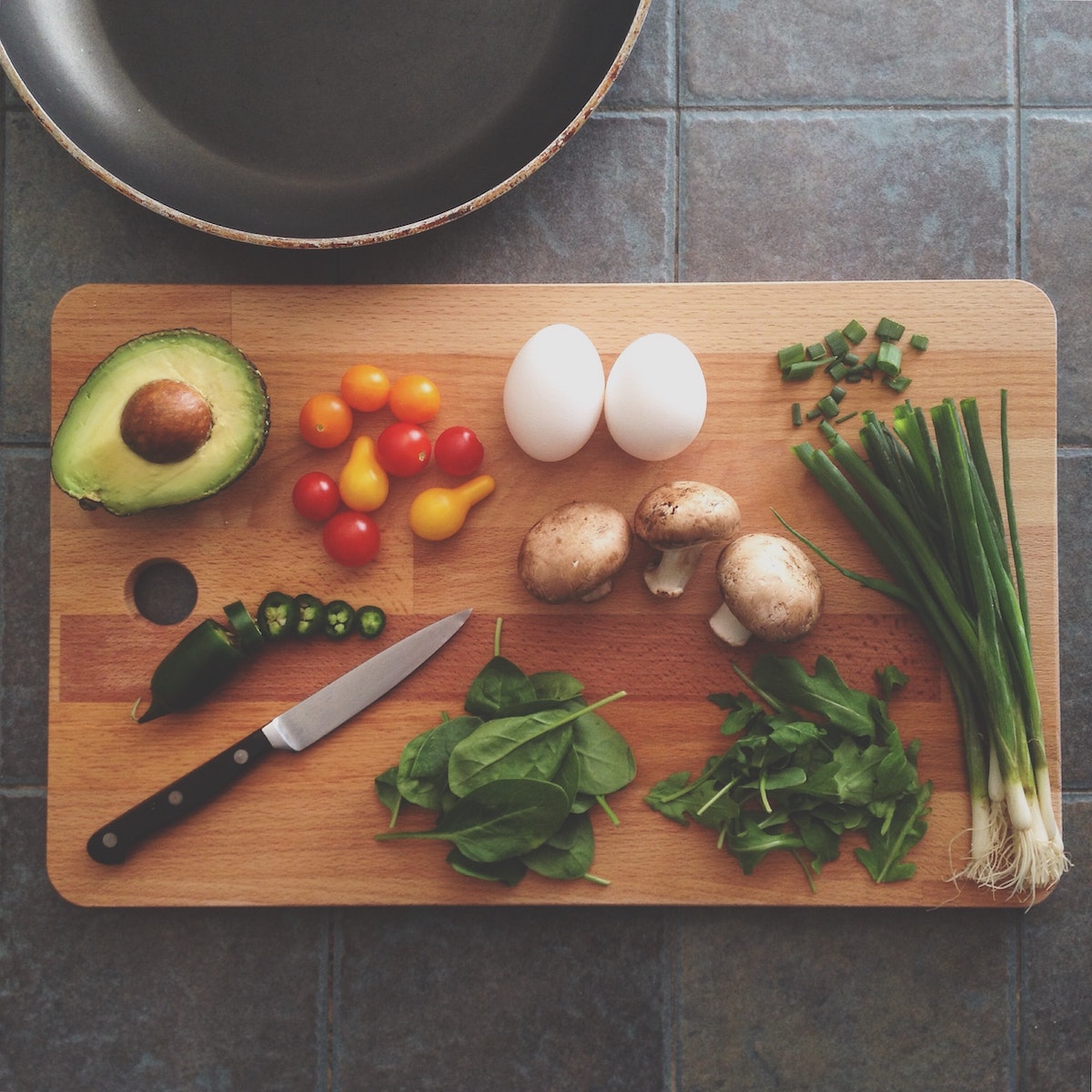
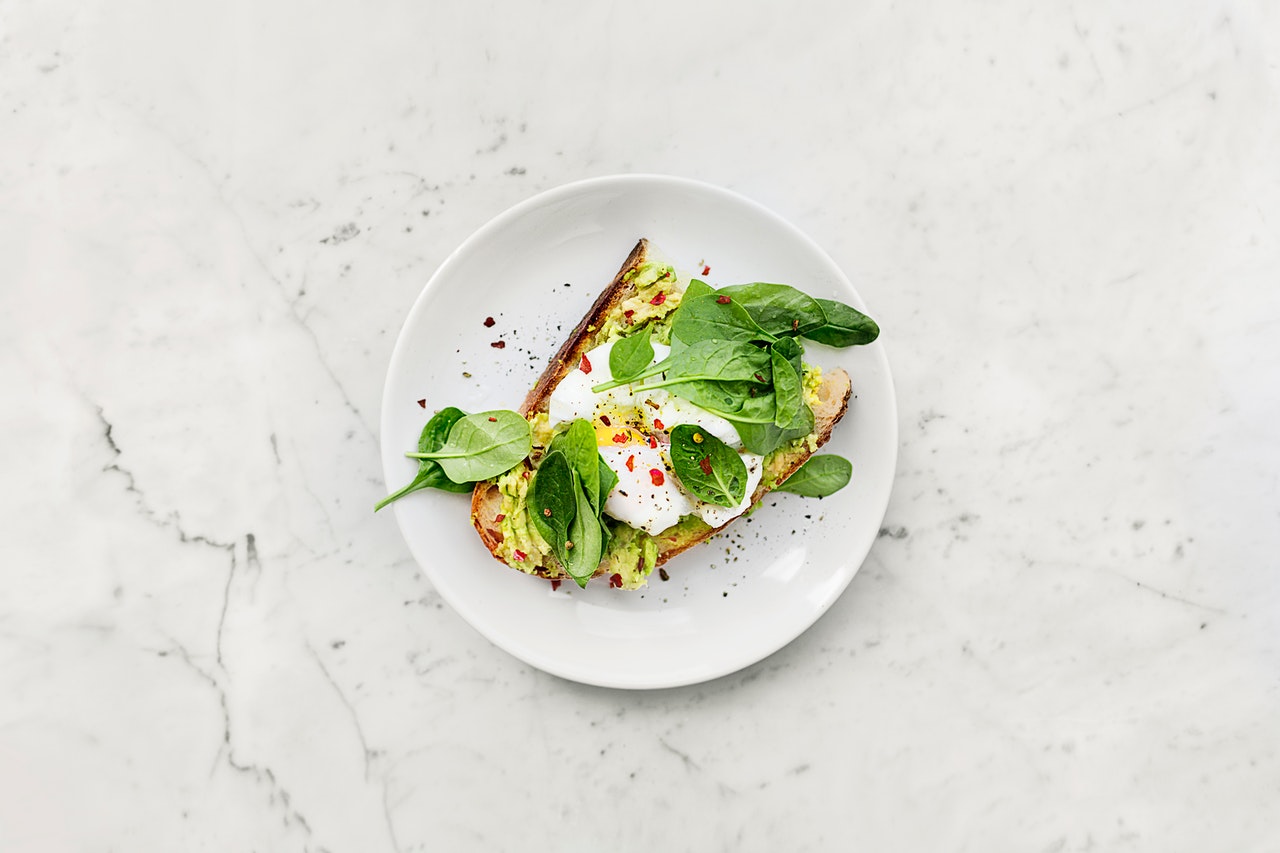
If your system is working hard to manage daily stress or physical strain, it could definitely benefit from some extra nutritional love. Incorporating more natural, anti-inflammatory foods into your diet helps support your body’s natural defences. Wonderful foods to include are fresh tomatoes, baby spinach, creamy avocado, blueberries, raw almonds, and turmeric.

Having studied the incredible properties of turmeric, we understand the power this golden spice contains. That’s why it is a key ingredient in our Anti-Inflammatory Blend, a carefully crafted formula designed to support your body’s natural balance and vitality.

2. Nourish Your Gut with Prebiotics

Digestion and natural elimination go hand-in-hand! Giving your gut the tools it needs to efficiently process and remove waste means packing your diet full of prebiotic fibres.

Prebiotics act as the ultimate fuel for the beneficial probiotics in your gut, helping to maintain a thriving, balanced microbiome. Eating prebiotic-rich foods like chicory root and green bananas helps keep your digestive tract happy and moving smoothly. Taking a regular supplement like our Prebiotic Blend is a fantastic way to ensure your gut gets the rich nutrients it needs to flourish.

3. Show Your Liver Some Gratitude

As the body’s primary filtration system, the liver has a huge job to do in separating nutrients from waste products. To support your liver’s hard work every day, it is essential to eat foods that promote natural metabolic pathways.

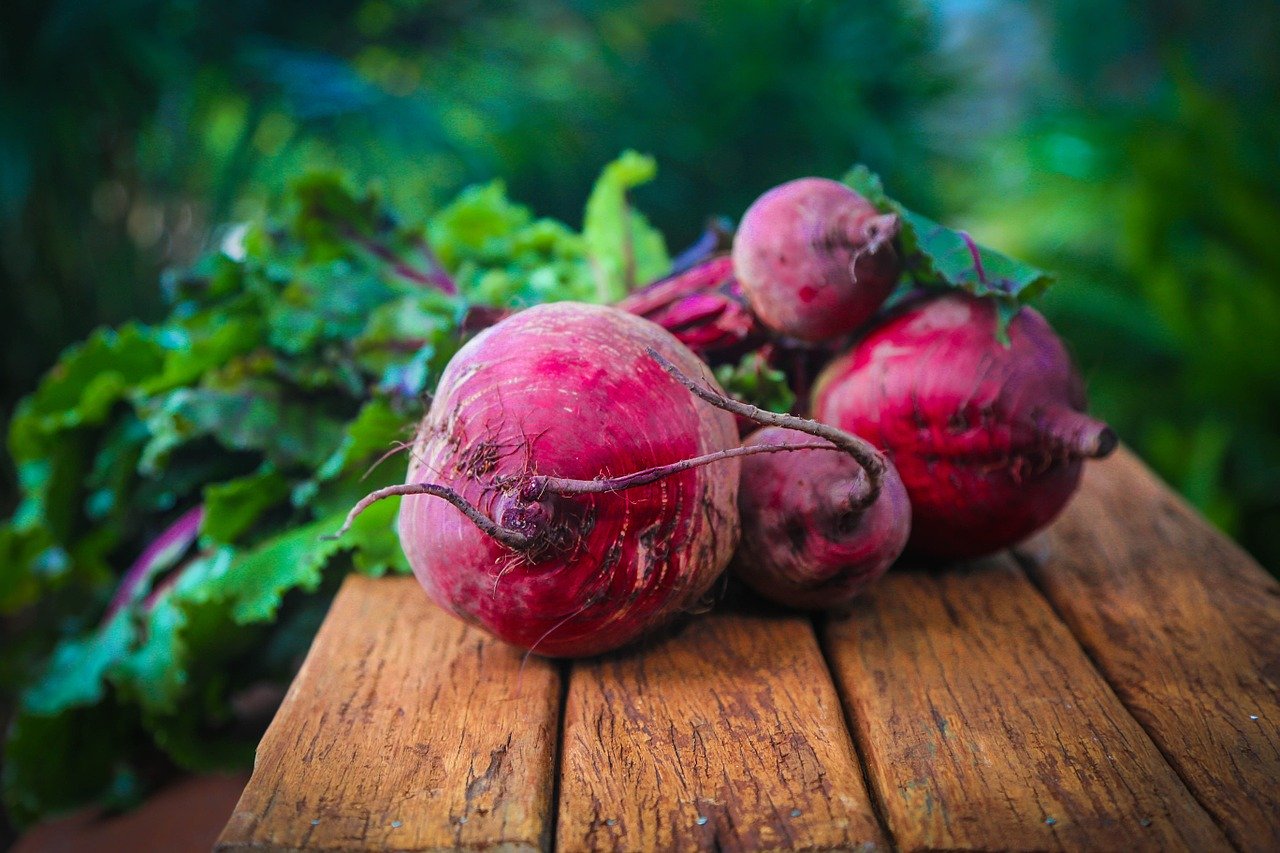
Beetroot is a magnificent, deep-red source of antioxidants that perfectly supports liver vitality. We love using pure beetroot powder in our Daily Detox Blend to compliment your body’s natural filtration processes and keep you feeling vibrant.

4. Prioritise Pure Hydration

We need water to survive! By staying beautifully hydrated, our body has a much easier time performing its natural functions and clearing out metabolic waste.

Drinking filtered water regularly aids smooth digestion, promotes comfortable joint movement, and regulates your body temperature. It truly is nature’s ultimate drink for daily renewal!

5. Enjoy a Good Sweat

Sweating is one of the skin’s natural ways to help the body eliminate waste products. Because this process requires plenty of fluid, make sure you are drinking lots of water before and after!

There are many different ways to get your glow on, so simply choose your favourite. Try doing some intentional movement, taking a hot yoga class, or relaxing in a warm sauna. The choice is yours!


Embrace Your Daily Renewal Ritual

Giving your body daily lifestyle support reaps a myriad of rewards. By focusing on these five gentle habits, you can look forward to more consistent energy, smoother digestion, and a more upbeat, positive attitude. Sounds like a total wellness dream come true!


This article is for educational purposes only and does not constitute medical advice. Always read the label and follow the directions for use. Consult with your healthcare professional before starting any new nutritional protocol or supplement.
Nourishing the Mind: How Your Diet Can Support a Positive Outlook

Feeling a little flat or low on energy could have more to do with your daily menu than you might think. Emerging research is showing that leaning into vibrant, plant-based whole foods is a magnificent way to support your natural vitality, clear the mental fog, and foster a brighter outlook!

If eating an unbalanced diet has the power to leave us feeling sluggish, just imagine what loading up on nutrient-dense meals could do for your overall wellbeing. Here are a few of our favourite foods to help support your mind and body.

Beetroot

Beets are already one of our absolute go-to veggies for supporting liver vitality, but they can also be a wonderful asset for your daily energy. These deep-purple roots are packed with betaine and tryptophan—two compounds heavily studied for their role in supporting a balanced mind.

Tryptophan is an essential amino acid that plays a vital role in the body’s natural production of serotonin, our primary “feel-good” chemical. At Flourish, we have embraced the rich antioxidant profile of beets by making pure beetroot powder a key ingredient in our Daily Detox Blend, which is designed to compliment your body’s natural filtration processes.

Green Tea

Green tea has been a treasured drink in its native China for thousands of years, and its popularity has swept across the rest of the world for good reason!

For centuries, green tea has been used to support mental clarity and calm focus. It is packed with unique phytochemicals that work together to support your cognitive function, including L-theanine—a brilliant amino acid known to help the body feel relaxed yet alert. It also contains just enough natural caffeine to keep you energised without those uncomfortable, jittery spikes.

Spinach

Feeling low in iron can significantly decrease your daily energy levels and leave you feeling constantly fatigued, which naturally takes a toll on your outlook. By incorporating iron-rich plants like baby spinach into your routine, you can help keep your physical energy up.

Spinach also contains magnesium, a magnificent mineral that supports muscle relaxation and the body’s natural serotonin pathways. Tossing a handful of this leafy green into your daily meals is a great way to stay energised from morning to night.

Bananas

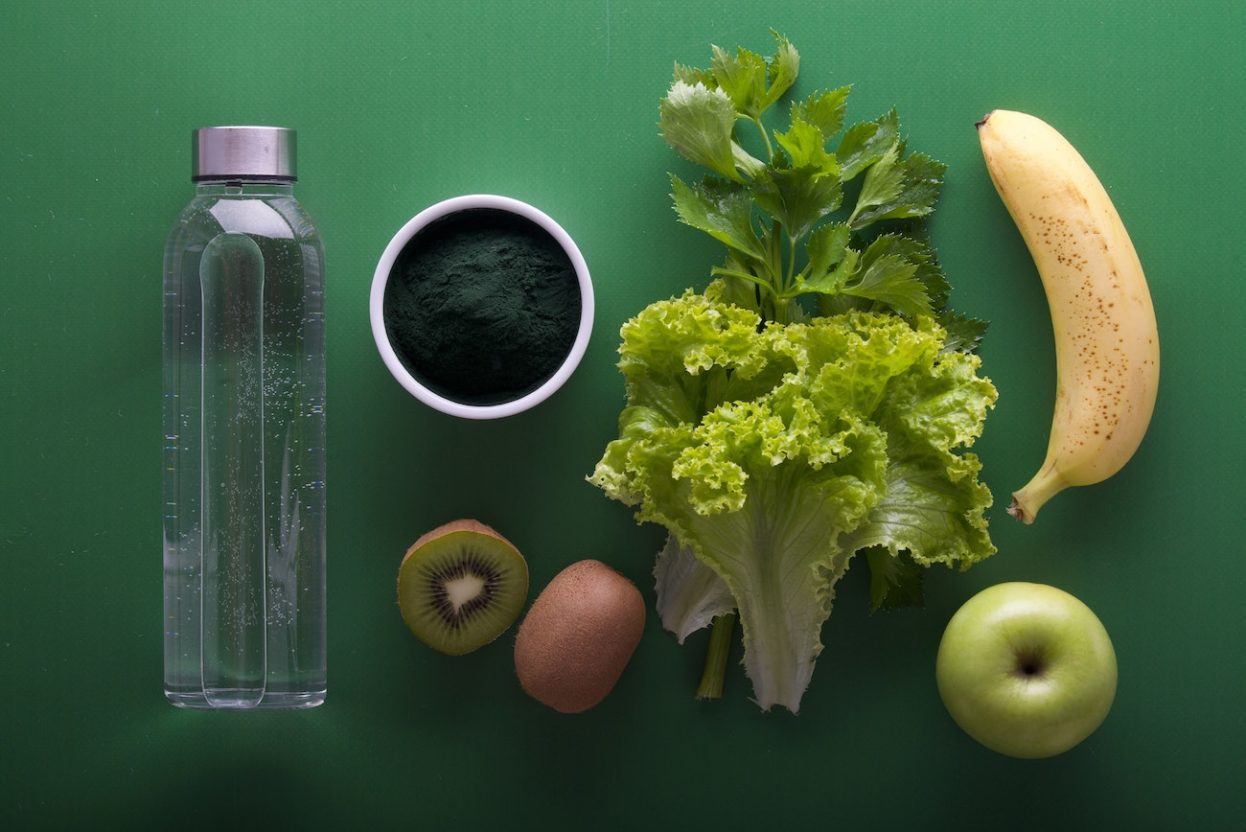
Like beetroot, bananas are a source of tryptophan, meaning they are a perfect whole-food snack to support your body’s serotonin building blocks. Grabbing a banana easily satisfies a sweet craving while giving you a steady, sustained energy boost.

Plus, slightly green bananas are a wonderful source of prebiotic fibre that your gut will absolutely love—and as we know, a thriving, balanced gut microbiome is the absolute gateway to a happier, healthier you!

Nourish Your Way to a Brighter Day

The foods you consume impact your body and mind in so many beautiful ways. By sticking to a clean, colourful, and plant-powered routine on a daily basis, you are giving your nervous system the ultimate foundation to stay balanced, energised, and vibrant!


This article is for educational purposes only and does not constitute medical advice. Always read the label and follow the directions for use. Consult with your healthcare professional before starting any new nutritional protocol or supplement.
The Connection Between Gut Health and Liver Health

Just like the gut-brain axis, the liver and the gut have a unique connection where one has the power to influence the other. While research on the subject is still in its relative infancy, recent studies are beginning to show just how significant the gut-liver connection really is.

Keeping both vital organs healthy is about eating the right foods and providing them with the right nutrients, like chicory root and natural prebiotic supplements for the gut, as well as beetroot powder for the liver. A liver cleanse could also go a long way in maintaining optimum overall health for your body.

How gut bacteria influence the liver

We already know that gut bacteria have a hand in influencing your brain and your mood. Some 90% of all of your serotonin – the feel-good hormone – is created by your gut microbes. But what about these microbes’ influence on your liver?

The reality is that the bacteria living in your gut microbiome can be just as influential on your liver as it is on your brain. Every two and a half minutes, 1 gallon (4.5 litres) of blood passes through the liver, about 75% of which comes from the intestinal tract.

If the gut microbiome is unbalanced with unhealthy or pathogenic bacteria, these can flow back to the liver via the portal vein, causing the liver all manner of problems.

In order to defend the rest of the body from any toxins arriving from the intestinal tract, the liver has to breakdown, filter and excrete them. This process can prove difficult when the body is already overloaded with toxins created by pathogenic bacteria.

Alcohol-producing gut bacteria

Surprisingly, gut bacteria can turn pathogenic. They can go through the same fermentation process as alcohol, producing high blood alcohol levels in your body even when you haven’t had anything to drink. This is known as Auto-brewery syndrome.

Emerging research has found there to be a connection between alcohol-producing bacteria and non-alcoholic fatty liver disease (NAFLD). This study shows that 60% of participants – all with NAFLD – had the alcohol-producing bacteria present in their gut.

Because the alcohol being produced by this specific strain of bacteria (Klebsiella pneumoniae) in the gut filters through to the liver in much the same way as when you actually consume alcohol, it can cause fatty liver disease even in those who don’t drink.

With a healthy lifestyle comes a healthy gut-liver connection

Not only can bacteria in the gut cause NAFLD, but it can also produce a compound called phenylacetic acid that can help to identify the early stages of NAFLD. Preventing and reversing NAFLD is about making healthy lifestyle choices.

A plant-based diet paired with chicory root-based prebiotic supplements for the gut and beetroot powder for the liver will pack your body with the natural nutrients it needs to ensure optimal health.

The connection between the gut and the liver is a strong one. Our Prebiotic Blend and Daily Detox can help to keep both organs working together in healthy harmony.

Try our Prebiotic Blend and Daily Detox for your gut-liver health.

Probiotics and Prebiotics for Gut Health

The relationship between probiotics and prebiotics is a close one, with each being a popular topic in their own right in today’s nutritional conversations.

While the two sound similar, it is important to understand their differences when embarking upon your new health journey and choosing between probiotic or prebiotic supplements.

The difference between probiotic and prebiotic supplements

Probiotic and prebiotic supplements perform two very different tasks within the body.

Probiotics

Probiotics are the healthy bacteria that live in your gut and make up your gut microbiome which, much like a fingerprint, is unique to each of us.

Today, we know there are almost 1500 different probiotic species that call our gut microbiome home. We each have unique levels of bacteria in our gut, and the probiotic species’ that need topping up through supplements will vary.

Most probiotic supplements only contain a small number of probiotics – which means that by taking one, it is unlikely you will replace the specific species in your microbiome that needs to be restored.

When you take the same probiotic day after day, it is also very easy to overpopulate a species and throw the gut microbiome – and the healthy bacteria that live there – out of balance.

Prebiotics

Probiotics need food to survive, but they don’t eat just anything – and that’s where prebiotics come in. Prebiotics are the food that probiotics eat.

With over 1500 different species of probiotics in the gut, it can be hard to know which are running low and need topping up. By taking prebiotic supplements, you can rest assured that every species will be fed – and not just some of them.

There are many prebiotic whole foods you can eat including chicory root, green bananas and garlic that will all help to replenish the probiotics in your gut.

For a tasty treat your gut will love, try our Gut Blend Bliss Balls. Combined with 2x heaped teaspoons of our Prebiotic Blend, they make a sweet snack for you and an even sweeter snack for your microbiome.

Chicory root: a prebiotic whole food

Eating foods that your gut loves will help you to maintain a healthy balance of probiotics within it. Chicory root is one of those foods, and because of the inulin fibre it contains, it’s the key ingredient in our Prebiotic Blend.

The health benefits of chicory root are numerous, but the main reason we love it is because it’s a tasty source of food for the probiotics in your gut.

Caring for your health means caring for your gut

Emerging studies are showing that the gut is more important than we ever believed it to be. There is a significant connection between our gut health and mental health, and who knows? Maybe someday soon science will surpass folklore in telling you to listen to your gut.

Improving your gut health is imperative to improving your overall health. Our Prebiotic Blend will feed the probiotics in your gut to ensure a healthy, happy and balanced microbiome – and a healthier, happier you!

Improve your gut health with our Prebiotic Blend

Why Beetroot Powder Is a Superfood, And How To Add It To Your Diet

Beetroot is one of only a select few vegetables with the power to cleanse your liver naturally, which makes beetroot powder a superfood.

Not only does it help with liver function, but beetroot powder also has the ability to improve athletic performance and heal fatty liver naturally. Because beetroot has so many beneficial health properties, we’re not surprised that the red veggie has earned superfood status.

With over 500 essential functions to perform within the body, the liver needs all the assistance it can get to continue working at optimum capacity. By taking a natural beetroot powder supplement like our Daily Detox blend, you can help your liver get the job done.

Beetroot powder recipes

Our beetroot powder blend is an all-natural health supplement packed with beetroot and 9 other plant-based whole foods that work together to improve liver function as well as blood, digestive and kidney health.

Taking a beetroot powder supplement also helps the cardiovascular system by increasing the release of oxygen from the blood by 20% and thereby enhancing athletic performance and endurance.

There are a huge number of everyday recipes that beetroot powder can be added to in order to ensure your liver is getting the love it deserves. Here are some of our favourites:

Detox Chia Pudding

Who doesn’t love a sweet dessert packed with nutritional goodness? Beetroot powder is what lends our Detox Chia Pudding its delicious strawberry colour and powerful liver health boost.

Thanks to the added bonus of satiating chia seeds, our Detox Chia Pudding is a tasty treat jammed with protein, fibre, Omega-3 and antioxidants.

Chocolate Smoothie

It’s easy to add healthy extras like beetroot powder to your breakfast smoothie while still maintaining that delicious fruity flavour.

Switch out the Prebiotic Blend in our Chocolate Smoothie for Daily Detox and you can wake up to a liver-loving breakfast every day of the week.

Hummus

For a yummy afternoon snack with carrots or corn chips, use roasted beet or beetroot powder to create a fast and easy hummus dip with a twist.

Add 1 flat tablespoon of Daily Detox to our favourite Hummus recipe and enjoy a nutritious pink treat that your liver will love.

Raisin Cookies

Combining raisins and beetroot powder might sound like a strange mix, but the two make a surprisingly flavourful pairing.

With an added tablespoon of Daily Detox to our Raisin Cookies recipe, you can satisfy your cookie craving and delight your liver all at the same time.

Heal and cleanse your liver with beetroot powder

There are so many different ways that you can add beetroot powder to your diet, and your liver will reap the benefits when you do. By embracing this bright superfood, you can help to detoxify and heal your body naturally.

If keeping it simple is more your style, all you have to do is stir into a glass of water a tablespoon of our Daily Detox blend and drink it down after dinner. Whichever natural way you choose to consume beetroot powder, your body and liver will benefit.


Best Plant-Based Proteins

Why do we need protein?

The world is fixated on the word ‘protein’. But where do you get your protein from if you’re following a whole food plant-based diet?

Protein is a macro element found in food – both in plants and in animals. Despite what the influential dairy and meat industries might have you believe, proteins are not just found in animal products. In reality, all plants are made up of proteins too.

Proteins help to build and repair our muscles, skin and internal organs. They also produce enzymes and hormones and help our immune systems to fight off infection. Loaded with vitamins and minerals, the list of benefits that proteins provide is long.

How much protein do we need?

When following a plant-based diet, it is important to eat plants that are high in protein. By eating plants with a higher protein content, you won’t have to graze all day like a gorilla or a cow in order to consume all the protein your body needs to repair, rebuild and grow.

As a growing human (e.g. a child or an athlete building muscle mass), we need 0.8 grams of protein per kilo of body weight. However, to simply maintain and repair our bodies as an adult, we really only need 0.4-0.5 grams of protein per kilo of body weight.

Here’s an example for putting these numbers into your day-to-day: 1 bowl of porridge is 7-8 grams of protein, and 100 grams of potato is 100 grams of protein.

The best sources of plant-based proteins

It’s important to note that animal proteins are pro-inflammation, which means that the more you consume, the higher your level of inflammation. Stick to plant-based protein and you won’t have to worry about inflammation overload.

Protein can be easily obtained from an entirely plant-based diet. Some plant-based foods are much higher sources of plant proteins, such as the following:

Chickpeas

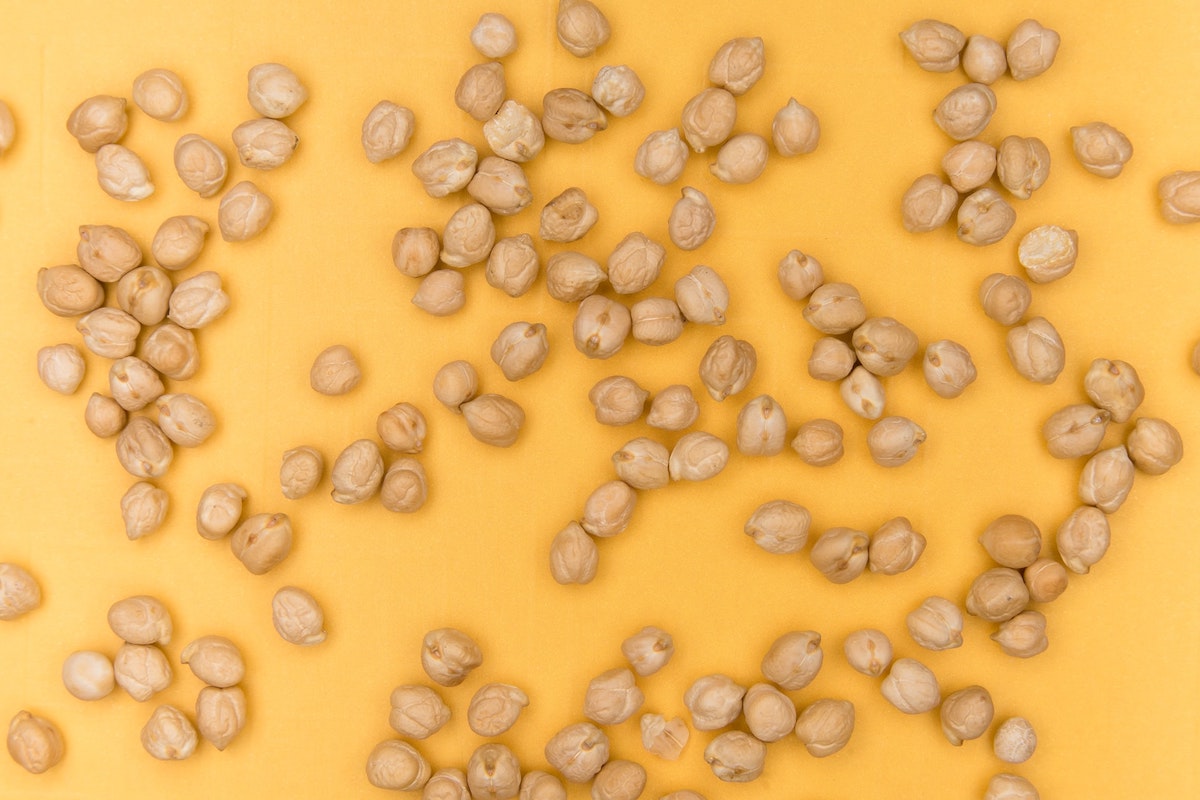
Also known as garbanzo beans, chickpeas are the main ingredient in our Flourish hummus recipe, and they make for a delicious curry or salad.

A great source of plant-based protein, chickpeas also contain several vitamins and minerals including iron, folate, manganese, phosphorus and copper – all of which work together to keep your body in harmonious health.

Lentils

With up to 9 grams of protein per 100 grams, lentils are pretty high on the list of plant-based protein sources. These legumes are also packed with fibre, and like chickpeas, they contain numerous healthy vitamins and minerals.

Try incorporating lentils into your next veggie soup, or using them as the base for homemade lasagna. Both meals are perfect for keeping you warm this winter!

Vegetables

Vegetables are, and have always been, an excellent source of protein. There are a whole lot of tasty veggies that pack a protein punch, many of which are classics:

  • Green peas
  • Asparagus
  • Broccoli
  • Brussel sprouts
  • Bean sprouts
  • Spinach

Most of these veggies are easy to dish up with your favourite meals, but if you’re unsure or haven’t tried them before, it’s easy to look up a simple recipe for inspiration.

For example, brussel sprouts mightn’t be very popular, but sautee them with some pine nuts, sea salt and garlic, and you’ll wonder why you weren’t eating them sooner.

Nuts and seeds

Like vegetables, there are plenty of nuts and seeds around that are packed just as full of protein. These include:

  • Hemp seeds
  • Chia seeds
  • Pumpkin seeds
  • Almonds
  • Pistachios
  • Cashews
  • Hazelnuts
  • Walnuts
  • Brazil nuts

Many of the nuts in this list can be made into nut butter, which makes a tasty treat when spread over some apple, banana or toast.

It’s also worth noting that chia seeds are exceptionally protein-heavy, as just one tablespoon contains up to 2 grams of protein. You can add chia seeds to smoothies, soups or salad, and there’s always the option to whip up a classic chia pudding.

Oats

Namely known for their vital role in the making of porridge, oats are a surprisingly high source of protein, with 10 grams of protein to every 100 grams of oats.

Oats are also a significant source of fibre, and studies suggest that they offer a number of health benefits including lowering cholesterol and promoting the feeling of being full after eating.

Protein is an important part of a healthy diet

Not only do proteins build and repair muscles, produce enzymes and hormones and boost our immune system, but they are also a significant energy source.

While too little protein can lead to shrinking muscle tissue, a build-up of fluids in the feet and ankles, and an iron deficiency in the blood, too much protein can be just as harmful. Finding the right balance of protein for any diet is an important element to be aware of.

There is a huge range of plant-based veggies packed full of protein, including nuts, legumes, vegetables, grains and more. To ensure you’re consuming enough protein whilst on a plant-based diet, all you need to do is eat the right foods to give you that boost.

Best Natural Anti-Inflammatory Herbs

Herbs that help to reduce inflammation

When it comes to finding a natural anti-inflammatory, you might not have to look any further than the herbs and spices in your pantry.

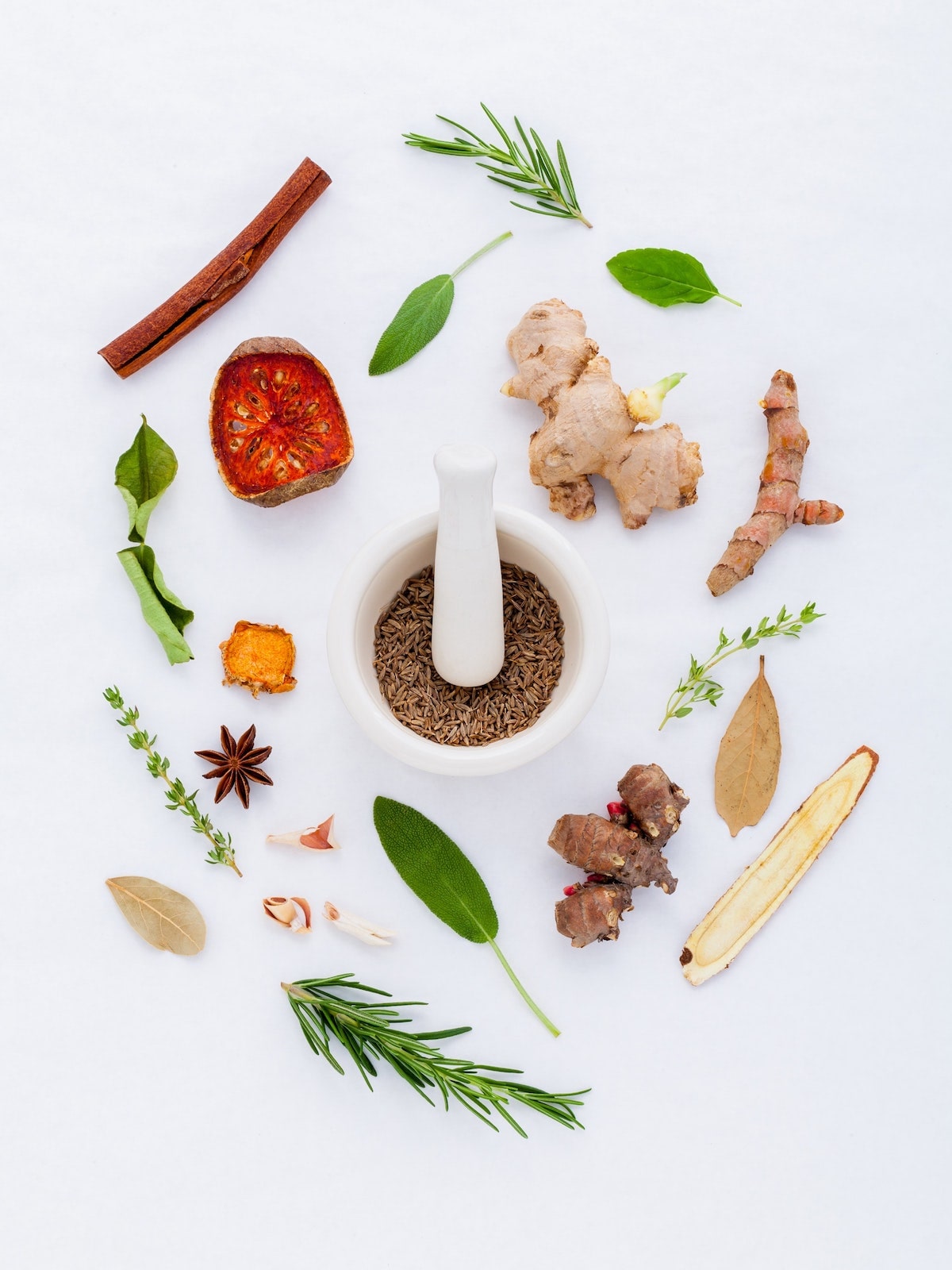
While many of us already know about the health benefits of turmeric, there are numerous other common herbs and spices that have incredible natural anti-inflammatory properties.

By themselves, these herbs and spices aren’t likely to have much of an effect. However, when taken in conjunction with a plant-based diet and whole food, plant-based supplements, you may just start to see the symptoms associated with your inflammation – whether that be fatigue, pain, or infection, to name a few examples – improve with the use of these natural anti-inflammatories.

Flourish natural health supplements are made with premium, medicinal grade ingredients

Whilst the ingredients we use in our natural supplements are common to people’s pantries, the specific grade we use in our blends is less common.

Our ingredients are of a therapeutic nature and dose, which means that the grade of turmeric, cinnamon, chicory root and other whole foods we use is not the same as what you might find in your kitchen cupboard or on the supermarket shelf.

By using premium, medicinal grade ingredients, our health blends contain the highest quality nutrients that work together to effectively target and improve inflammation, liver function and digestive health.

Turmeric

The health benefits of turmeric are many, and the ancient spice is well known for its natural anti-inflammatory properties.

Turmeric’s active ingredient, curcumin, is the component that allows the spice to act as a natural remedy to reducing inflammation.

Our Turmeric Blend is a natural anti-inflammatory that harnesses the power of turmeric’s curcumin, as well as 12 other plant-based whole foods, to target, reduce and relieve inflammation in your body.

Ginger

Ginger is another spice known for its natural anti-inflammatory properties, having been used as a folk medicine for hundreds of years.

Studies have shown that ginger acts in much the same way as COX-2 inhibitors, which are a type of drug used specifically to treat and relieve inflammation.

Cinnamon

Often used in baking or sprinkled over a cappuccino, cinnamon is a popular spice that doubles as a natural anti-inflammatory.

These natural anti-inflammatory properties come from the polyphenol antioxidants that cinnamon is packed with, which may help to protect against disease and keep you in optimal health.

Try adding cinnamon to your next smoothie, bowl of porridge or hot drink – ideally, black tea, coffee or hot chocolate. A woody spice with a sweet and spicy aroma, it tends to work best with sweet dishes.

Cloves

While research on the natural anti-inflammatory properties of cloves is rather limited, one study shows that the spice does contain anti-inflammatory, antioxidant, antiviral, antifungal, antimicrobial and anticancer properties.

You can infuse whole cloves into warm drinks like tea, or use powdered clove in baked and savoury meals.

Green tea

Renowned for its myriad health benefits, green tea has been used in China for thousands of years – and has since been shared with the rest of the world.

Green tea is another herb containing the antioxidants polyphenols, which have strong natural anti-inflammatory properties, and can also help to improve and treat digestive issues and diseases including diabetes.

Black pepper

Black pepper is a popular spice that can be found in most kitchens in Australia – and in other parts of the world, too. Piperine, one of the chemical compounds of black pepper, may help to fight the early stages of inflammation.

Not only does it contain natural anti-inflammatory properties, but black pepper also has antioxidant and antimicrobial effects. When used with turmeric, it helps to enhance the spice’s anti-inflammatory effects.

Garlic

Closely related to the leek, onion, shallot and chive, garlic is another spice (technically, it’s actually a vegetable) whose medicinal properties have been used for thousands of years.

Research has shown that not only does garlic have natural anti-inflammatory properties, but it also has additional benefits – garlic is well known for its ability to fight the common cold by acting as an immune system booster.

It also contains antioxidants that may help to prevent Alzheimer’s disease and dementia, as well as active sulfur compounds that can help to reduce blood pressure.

Incorporate these herbs and spices into your diet

Not only do these herbs and spices have natural anti-inflammatory effects on the body, but each of them is also a healthy (and delicious!) addition to any meal.

Fighting inflammation in your body is about embracing a diet filled with natural-anti inflammatory foods. Here at Flourish, we know that adopting a whole food, plant-based diet can significantly improve your health.

Our all-natural health blends – and more specifically, our Turmeric Blend – can help to boost your health and relieve inflammation throughout your body.

Fight inflammation with our Turmeric Blend

How Gut Health Affects Mental Health

The global conversation around mental health

According to the World Health Organisation (WHO), around 450 million people worldwide currently suffer from mental health disorders. In their lifetimes, 1 in 7 Australians will experience depression, and 1 quarter of the country’s population will experience anxiety.

Mental health disorders have become a global conversation, and there is a lot of research being done to identify the cause. Studies are beginning to show the significant connection between gut health and mental health, and how the two are intertwined.

The gut-brain connection

Also known as the gut-brain axis, the connection between the gut and the brain is a strong one. There is a bidirectional link between the two, which means that communication goes both ways – the gut can send and receive messages to and from the brain, and vice versa.

Interestingly, we can often feel emotion in our gut. Whenever you experience “butterflies”, or the feeling of being “sick to your stomach”, your brain and your gut are actually communicating with one another.

The gut microbiome refers to the community of bacteria in your intestines. When these bacteria are healthy and balanced, they work in harmony with the rest of your body.

However, when your gut microbiome is unbalanced, it has the power to negatively influence your brain – and thus, your mental health.

Food and mood go hand-in-hand

Research is making it clear that the food you consume can directly affect your mood. Foods that are high in sugar can give you a quick high followed by a crash, and carb-heavy, processed foods can put you to sleep.

It is no surprise, then, that certain foods can either boost or lower your mood.

Signs that your gut health could be affecting your mental health

Gas and bloating

If you are experiencing gas and bloating after a meal, it could be because your gut microbiome has become unbalanced and the bad bacteria within it has taken over.

This unbalance can be caused or worsened by excessive alcohol consumption, medication, antibiotics, external stress or a poor diet.

People who suffer from Irritable Bowel Syndrome (IBS) are likely to have associated mood disorders and anxiety. With a whole-food, plant-based diet, you can replenish the good bacteria in your gut, rebalance your microbiome and ease any IBS symptoms you may be experiencing.

Food intolerances or allergies

Allergies or intolerances to food can cause your stomach much discomfort, and can often lead to other afflictions like brain fog and fatigue.

While you might not be aware of any intolerances, it is important to determine whether certain food types may be harming your gut. By removing any foods from your diet that cause your body distress, you can boost your gut health and improve your mental health as a result.

Constant fatigue

When Candida albicans (a naturally-occurring yeast found within our bodies) overruns the gut, fatigue is just one of the many ways it can affect you – and your mental health. Because Candida albicans live off sugar, they cause intense sugar cravings.

These cravings, when succumbed to, will cause an initial spike in energy, followed by a crash that will only leave you craving more sugar for another energy boost. Poor quality sleep can also be a factor, as studies have shown that the gut microbiome can affect sleep regulation.

To help fight fatigue and give yourself an uninterrupted night’s sleep, ensure that your diet contains all of the necessary nutrients to keep you feeling energised and healthy – both mentally and physically.

Your gut health may be affecting your mental health

The food you eat has the power to take over your gut microbiome, which can bend your brain and your body to its unbalanced will. Our Prebiotic Blend feeds the good bacteria in your gut, strengthening your microbiome and improving your overall health and wellbeing.

By opting for a whole-food, plant-based diet, you can take one step further to restoring a healthy balance to your gut microbiome and improving your mental wellbeing along the way.

Improve your mental health with our Prebiotic Blend

Interesting Functions The Liver Performs Within The Body

A liver cleanse will help your detoxifying organ in more ways than one

Renowned for its diligence in detoxifying the body, it’s easy to assume that the liver is just that: a detoxifier. In reality, the liver is a multifaceted organ with many different roles, serving over 500 essential functions within the body.

Made with beetroot powder, our Daily Detox blend will give your body the liver cleanse it needs to keep those 500 essential functions working at optimum capacity.

The liver is the largest solid organ in our bodies, and is the second heaviest (skin takes first place on the weight front). Not only is the liver a hard worker, but just like skin, it also has the unique ability to regenerate and heal itself.

Important liver functions

Regeneration

So long as it stays healthy, the liver has the power to completely regenerate itself, even when as little as 25% of the original tissue remains.

It can take anywhere from 8-15 days to regrow to its previous size and, once regenerated, the new liver can perform all of the same functions as before.

Bile production

Bile is a greenish-yellow secretion produced by the liver that helps the small intestine to remove waste and break down fats during the digestion process. It is made up of bilirubin, cholesterol, electrolytes, bile acids and salts, and water.

Cholesterol production

Your liver works in unison with the intestines to produce cholesterol, a wax-like type of fat found in every single cell within the human body. Though being linked to heart disease has given cholesterol a bad name, its role in the body is an important one.

So important, in fact, that 80% of cholesterol is produced by the body, and only 20% comes from food consumption. Cholesterol is vital because it’s needed to make hormones and vitamin D, aid with metabolism and build cell membranes.

Thyroid management

The thyroid gland releases thyroid hormones into the bloodstream to help with the growth, development and metabolism in the human body.

When the liver is working in healthy harmony with the thyroid gland, it can transport, metabolise, store and secrete thyroid hormones. This keeps your bodily processes regulated, like body temperature and heartbeat, as well as muscle and digestive function.

Blood clot regulation

Bile – which we now know is produced by the liver – helps with the absorption of vitamin K. Vitamin K helps to create coagulants that, in turn, assist with clotting the blood.

Your blood needs to clot when you get a cut or an open wound because the clotting helps to slow – and eventually, stop – the bleeding.

Bilirubin removal

The liver helps to excrete bilirubin from the body. Bilirubin is a substance formed through the process of breaking down red blood cells. An excess of bilirubin can lead to jaundice, an illness known for its yellowing effect on the eyes and skin.

Iron storage

The liver processes hemoglobin in the blood to use its iron content for storage. Stored in the form of ferritin, it will eventually be used to make new red blood cells. Not one to be exclusive with its storage, the liver also stockpiles numerous vitamins and minerals.

Toxin removal

While many of us are already aware of the liver’s detoxification capabilities, it is still important to note that this powerful organ removes toxins like drugs, alcohol and other poisonous substances from the body.

Infection prevention

The liver is a part of the immune system that helps to prevent infection by removing any harmful bacteria from the bloodstream before it can travel to the rest of the body. It destroys any potential pathogens that threaten to enter the bloodstream by way of the gut.

Conversion of glucose to glycogen

Depending on what your body needs, the liver can either store or produce glucose. Your cells use glucose for energy, but when glucose levels in the blood get too high, the liver converts glucose into glycogen and stores it in the body for future use.

Keep your liver healthy and it will keep you healthy, too

With so many different functions to perform, it is vital that you take care of your liver. When you take care of your liver, you can bet that it will take care of you, too. Our Daily Detox blend targets liver health and function and works to look after your liver for you.

Opt for a whole-food, plant-based diet to give your liver – and your body – the nutrients it needs to thrive. Remember that while your liver does have the power to regenerate, it can only do so when it’s healthy – which means that keeping your liver in optimal condition is key.

Keep your liver in optimal health with our Daily Detox blend